You Can't Watch the Water 24/7 — But Your Alert System Can
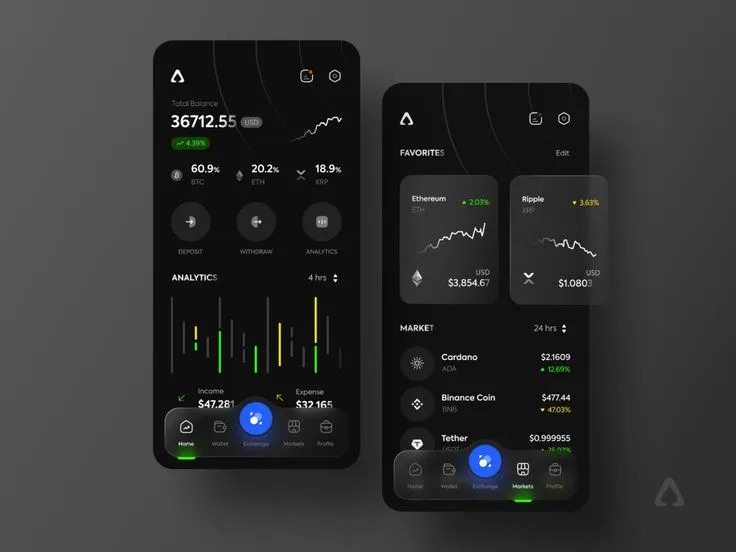
Photo: smartphone notifications crypto trading dark, via i.pinimg.com
Every gator knows the rule: the moment you close your eyes, something moves in the water. In DeFi, that's not a metaphor. Liquidity vanishes overnight. A rogue approval gets executed while you're at brunch. A whale dumps a bag at 2 a.m. Eastern and your position wakes up underwater.
You have a job, a family, and — hopefully — a life outside of block explorers. The answer isn't more screen time. It's building an alert system that watches the water for you. Here's how to set one up, whether you're a casual swapper or someone managing serious capital.
Start With the Basics: Wallet-Level Alerts
Before you touch any fancy tooling, get notified about everything that touches your wallet. This is the foundation — the equivalent of knowing when something brushes past your tail.
Free options abound. DeBank and Zerion offer portfolio tracking with basic notifications. Blockfolio-style apps have mostly faded, but Krystal and Delta fill that gap for mobile users. For on-chain purity, Etherscan's free email alerts let you monitor any address — yours or someone else's — for incoming and outgoing transactions.
Here's the key move most people miss: set alerts on your approvals, not just your transfers. Services like DeBank's approval checker and Revoke.cash flag dangerous permissions. Revoke.cash now offers alerts when a new approval is set on your wallet, which is exactly the kind of early warning that saves you from signing a disaster and finding out later.
Tier Two: Protocol and Position Monitoring
If you're providing liquidity, lending, or staking, you need alerts tied to the protocols themselves — not just your wallet.
- Liquidation warnings: If you're borrowing on Aave, Compound, or Morpho, your health factor is the number that matters. Most protocols have Discord or Telegram bots that ping you when it drops below a threshold. Set it at 1.5, not 1.05 — by the time you're at 1.05, you're already in the death roll.
- Stablecoin peg monitoring: Tools like DeFiLlama's stablecoins dashboard let you watch pegs manually, but services like Curve's monitoring channels or custom Dune alerts can ping you when a peg slips.
- Yield rate shifts: If your farm's APR suddenly spikes 10x, that's not a gift — it's usually a sign something broke or an incentive pool is being drained. Some dashboards can alert on rate anomalies.
Tier Three: On-Chain Surveillance for Serious Traders
Now we're getting into the pro tier. These tools watch the chain itself — whale movements, liquidity changes, smart money flows.
Arkham and Nansen offer labeled wallet tracking with alerts. Want to know when a known whale moves into your favorite token? Set a watchlist. Whale Alert remains the classic free option for large transfers hitting Twitter/X and Telegram.
For pool-level monitoring, DeFiLlama lets you watch TVL changes, and tools like Dune Analytics let you build custom queries with scheduled alerts. If a liquidity pool you're in loses 30% of its depth in an hour, you want to know before you try to exit into a slippage wall.
Paid tiers on these platforms run anywhere from $30 to a few hundred dollars a month. If you're trading size, that's cheap insurance — less than a single bad slippage event on a large swap.
Match the Setup to Your Trading Style
Not every gator needs the same rig. Here's a quick fit guide:
The casual swapper: Etherscan address alerts plus Revoke.cash approval notifications. Cost: free. Time to set up: 20 minutes. This alone puts you ahead of 90% of users.
The yield farmer: Add protocol Discord/Telegram bots for health factors and a weekly Revoke.cash audit. Consider a calendar reminder — alerts catch emergencies, but nothing replaces a weekly permissions review.
The active trader: Nansen or Arkham watchlists, Whale Alert on Telegram, and pool-depth monitoring via Dune or DeFiLlama. Phone notifications on, but muted after midnight — FOMO at 3 a.m. is how accounts get flattened.
The treasury or high-net-wallet operator: Full stack, plus consider a hardware wallet policy where sensitive approvals require manual confirmation. Alerts tell you something happened; cold storage makes sure the worst case stays contained.
Don't Drown in Notifications
Here's the trap nobody warns you about: alert fatigue. If your phone buzzes 200 times a day, you'll start swiping them away reflexively — including the one that matters.
The fix is prioritization. Route critical alerts (approvals, health factors, liquidity drains) to push notifications or SMS. Route informational stuff (whale moves, price levels) to a digest email or a quiet Telegram channel you check twice a day. Some traders keep a dedicated burner device or old phone just for wallet alerts, kept off social apps entirely.
And one security note from your friends at GatorSwap: scammers know people use alert bots. Fake Telegram bots and phishing "alert services" are common. Only add official bots from verified project channels, and never enter your seed phrase into anything — no legitimate alert tool will ever ask.
Sleep Is a Position
The best traders in any market — stocks, futures, DeFi — share one trait: they've removed the need to be constantly present. Your alert stack is that removal. It means the swamp can churn all night while you actually rest, confident that if something brushes the surface, you'll hear it.
Set it up this weekend. Twenty minutes now beats a drained wallet later. Slow gators eat first — but only if they know the food is there.