Reading the Ripples: How On-Chain Order Flow Predicts the Next Bite

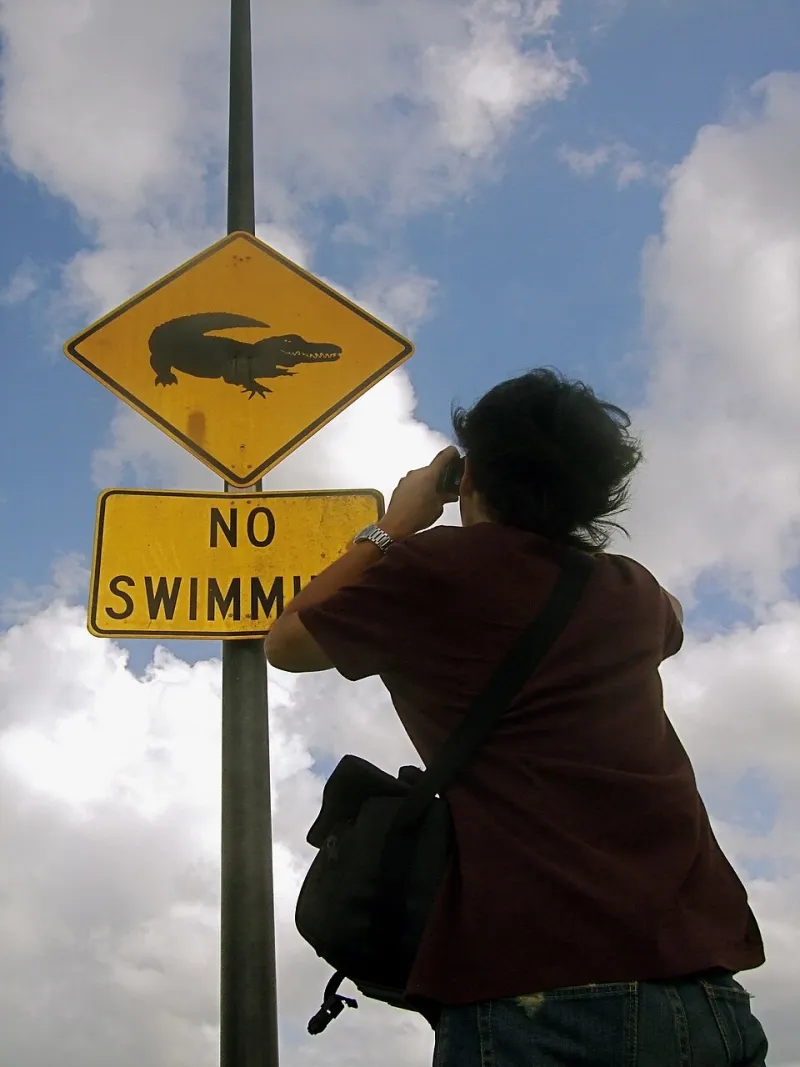
Photo by Photo by Liana S on Unsplash on Unsplash
A gator doesn't stare at the duck. It watches the ripples the duck makes — the wake that arrives a half-second before the bird itself. On-chain traders work the same way. By the time price action shows up on your candlestick chart, the wake has already traveled. The real signal is in the water underneath: wallet movements, mempool activity, and liquidity flows.
Why the Chain Moves First
Centralized exchange price feeds are the duck. Blockchain transactions are the ripples. Every large buy, every liquidity pull, every whale reshuffling — it all happens on-chain in the open, usually minutes or hours before it shows up in price. That's the entire thesis of on-chain analysis: the public ledger is a real-time order flow feed that nobody has to pay Bloomberg for.
Signal One: Whale Wallet Movements
Track the big wallets and you see intention. A few patterns worth learning:
- Exchange inflows from long-dormant wallets. A whale wallet that hasn't moved in two years suddenly sends tokens to Binance. That's potential distribution — someone positioning to sell.
- Exchange outflows to cold storage. The opposite. Coins leaving exchanges in size often signal accumulation and conviction.
- Smart money clustering. When several profitable wallets buy the same low-cap token within days of each other, that's rarely coincidence.
Free tools make this accessible. Arkham and Nansen label known entities. DeBank and Zerion let you inspect any wallet's full portfolio. Bubblemaps visualizes whether a token's supply is held by one connected cluster — a common red flag on memecoins.
Signal Two: Mempool Activity
The mempool is the waiting room for pending transactions, and it's a lookahead machine. Watch it and you can see:
- Large pending swaps before they execute — useful for anticipating slippage and short-term direction
- Mint sniping on hot NFT or token launches
- Unusual gas bidding, which often precedes a major event like a launch or an exploit
Public explorers like Etherscan's pending transaction view and open-source mempool dashboards let you watch this stream without running your own node. Fair warning: by the time you react to a mempool signal, MEV bots have probably reacted faster. Treat it as confirmation, not a trigger.
Signal Three: Liquidity Shifts on DEXs
Liquidity is the water level, and water levels tell you a lot. On DEXs, price and liquidity are welded together — pull the liquidity and the market structure changes instantly.
- LP tokens being removed from a memecoin is the classic rug signal. Tools like DexScreener and RugDoc flag locked vs. unlocked liquidity at a glance.
- Liquidity depth thinning out while price holds means the move is running on fumes. Shallow books amplify volatility both ways.
- Sudden liquidity injections into an obscure pair often precede a marketing push or a coordinated pump. Sometimes it's legitimate growth; the wallet labels will tell you which.
Putting It Together: A Recent Pattern
Run through a composite example from this year's memecoin cycle. A token runs 40x in a week. On-chain, the warnings were visible days earlier: Bubblemaps showed over 60% of supply connected to a handful of wallets, liquidity was never locked, and two labeled whale wallets began trimming into every green candle. The chart looked unstoppable. The chain said distribution. It was.
Contrast that with blue-chip accumulation: throughout recent drawdowns, ETH consistently flowed off exchanges into staking contracts and long-term wallets. No drama, no headlines — just steady outflows preceding each major recovery leg.
Build Your Free Dashboard
You don't need expensive terminals. A solid starter stack:
- DexScreener — real-time pair charts, liquidity, and volume across chains
- Arkham or Nansen free tier — wallet labels and entity tracking
- DeFiLlama — TVL flows, chain inflows/outflows, and protocol trends
- Etherscan watchlists — alerts on specific whale addresses
- Bubblemaps — holder concentration checks before you touch any small-cap
Spend fifteen minutes a day on it and you'll start noticing the same thing every on-chain trader eventually learns: big moves almost always leave a wake first.
The duck on the water is what everyone else sees. The ripples are what you should be watching. Stay low, stay patient, and let the flow come to you.