Reading the Fine Print on the Swamp: What the CLARITY Act Could Change for Your Swaps
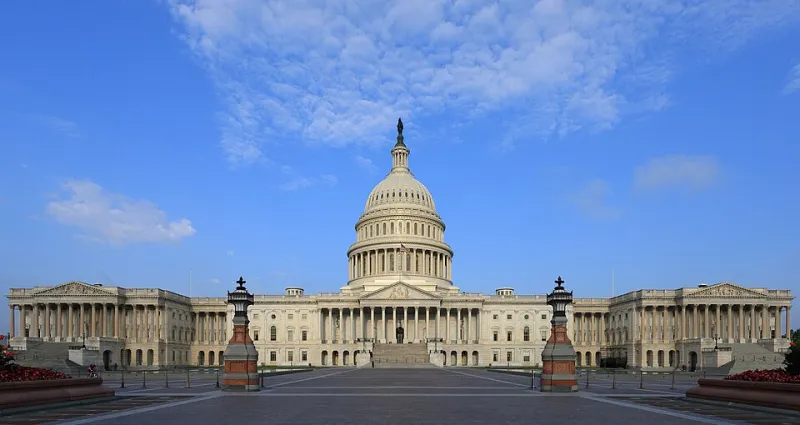
Photo: Martin Falbisoner, CC BY-SA 3.0, via Wikimedia Commons
Every few years, Congress rediscovers crypto, holds some hearings, and produces a bill with an optimistic acronym. This time it's the CLARITY Act — short for Digital Asset Market Clarity — and unlike past paper tigers, it actually made it through the House and has genuine momentum heading into 2026. For those of us who trade from the swamp rather than an office tower, it's worth translating what the fine print could mean for the average American wallet.
The Core Idea: Two Referees, One Field
Today's biggest headache in US crypto is jurisdictional ambiguity. The SEC says many tokens are securities. The CFTC says crypto commodities are its turf. Exchanges and DeFi protocols are left guessing, and users inherit the confusion.
CLARITY's headline move is drawing a line: digital assets that fit the definition of a commodity fall under CFTC oversight, while securities stay with the SEC. Tokens get classified based on how they're sold and what rights they confer, with a process for networks that become "sufficiently decentralized" to have their tokens treated as commodities. In theory, a token could start life as a security and graduate into commodity status as the project matures.
What It Means When You Hit 'Swap'
Here's where it gets practical. If a token is classified as a commodity, trading it looks more like trading gold or oil futures — regulated market infrastructure, but no broker asking for your passport on every trade. If a token is deemed a security, then platforms facilitating its exchange may need to register, and that's where KYC creeps in.
For DeFi front-ends — the websites and apps we actually use — the bill contemplates obligations for "digital asset intermediaries." The open question, and it's a big one, is whether an interface like a swap aggregator counts as an intermediary. If it does, US users might start seeing identity checks baked into front-ends they've used anonymously for years. If it doesn't, front-ends may geofence certain tokens out of US IPs to stay safe — meaning your swap routes could quietly change based on where you live.
Either way, expect the trading experience to fragment. Some tokens will trade freely; others may require verified accounts, and a few might simply be unavailable on American front-ends. None of this is apocalyptic. Traditional finance already works this way. But it does mark the end of the "nobody asked who I am" era.
The Token Reclassification Domino
The security-versus-commodity question isn't academic — it reprices assets. Tokens that gain commodity clarity tend to see institutional money flow in, because regulated funds can finally touch them without compliance departments breaking out in hives. Tokens that get stamped as securities face delistings, restricted liquidity, and potential secondary-market friction.
If you hold a portfolio of long-tail tokens, the reclassification process is worth watching closely. A token's legal status could matter as much as its fundamentals in 2026. That doesn't mean dumping everything the day a bill passes — markets usually price in clarity, and clarity historically has been net-positive for crypto at large. It means knowing which of your holdings sit on which side of the line before the line is drawn.
How to Prep Without Panic-Selling
A few level-headed moves. First, keep records. Whatever CLARITY ultimately does, tax reporting isn't getting simpler, and the IRS already treats every swap as a taxable event. Good records are cheap insurance.
Second, watch the decentralization benchmarks. The bill's treatment of "mature" networks will hinge on measurable criteria — validator distribution, governance participation, development concentration. Projects that publish this data will have an easier path.
Third, don't build your strategy around the bill's current text. Legislation gets amended, delayed, and rewritten. Position for the direction of travel — clearer rules, more regulated venues, gradual onboarding of institutional capital — rather than any single provision.
The Bottom Line
CLARITY won't be perfect, and plenty of crypto natives will grumble that any framework is a concession. But ambiguity has its own cost — it's why American trading desks have hedged their crypto exposure and why some innovations launched offshore first. A swamp with clear water markers is easier to navigate than one shrouded in fog, even if there are more signs posted along the banks.
Keep your wallet organized, your records tidy, and one eye on the docket. The rules are coming. Gators that see the ripples first eat best.
This article is informational commentary, not legal or investment advice. Consult a qualified professional for guidance on your specific situation.