Bury It Deep, Keep One Eye Open: A Practical Cold Storage Setup for DeFi Traders
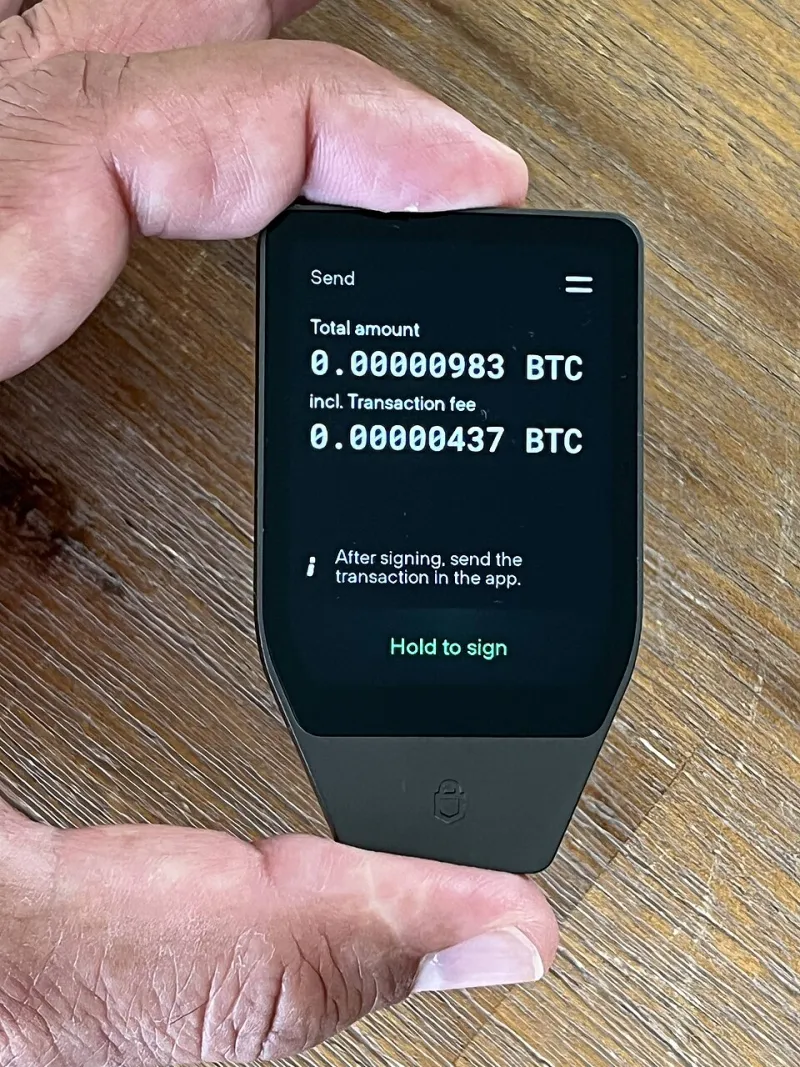
Photo: FlippyFlink, CC0, via Wikimedia Commons
There's a stubborn myth floating around web3 that going cold storage means going dark — unplugging, logging off, and burying your keys somewhere in the Everglades. For a lot of American traders, that fear keeps them on a hot wallet far longer than they should be, exposed to every phishing link, drainer contract, and sketchy approval that swims by.
Here's the truth: a hardware wallet and an active DeFi life aren't enemies. You just need structure. Think of it like a gator's territory — a deep, quiet spot where the real wealth sleeps, and a shallow hunting ground where you do the daily work.
Why Cold Storage and DeFi Seem Incompatible (But Aren't)
A hardware wallet signs transactions. That's it. It doesn't care whether the transaction is a swap on a DEX aggregator, a liquidity deposit, or a transfer to your cousin in Ohio. The device never exposes your private keys to your browser, no matter what site you're connected to.
The real risk isn't signing swaps — it's signing everything else. Malicious approvals, fake airdrop claims, drainer contracts dressed up as mint pages. Those are the bites that empty accounts, and those are the risks you contain with a two-wallet structure.
The Two-Wallet Setup: Basking Rock and Hunting Grounds
Here's the architecture that works for most US-based DeFi users:
The vault (your basking rock). A hardware wallet — Ledger or Trezor — that holds the bulk of your stack. Long-term positions, stablecoin reserves, whatever you're not actively trading. This device connects to nothing unless you're deliberately moving funds in or out. No daily browsing, no airdrop hunting, no experimental protocols.
The trading wallet (your hunting grounds). A separate address — either a second account on the same hardware device or a dedicated hot wallet — funded with only what you're willing to lose this month. This is where you chase new listings, farm, mint, and experiment. When it gets drained or a position goes sideways, the damage stops at the water's edge.
The key discipline: the vault only ever sends funds out in planned, deliberate transactions you initiated. If your vault address is ever asking you to sign something urgent, that's a red flag, not an opportunity.
Swapping Straight From a Hardware Wallet
Most people don't realize you can trade directly from cold storage. Here's the walkthrough:
-
Initialize the device. Set up your Ledger or Trezor, write the seed phrase on paper (or steel — Texas summer heat and paper don't mix, but neither does a house fire anywhere), and store it somewhere physically secure. Never digitally.
-
Create a dedicated DeFi account. On the device, add a second or third account specifically for active trading. Label it. This keeps your vault address visible but separate.
-
Connect to a DEX aggregator. Sites like Uniswap, or aggregators that route across multiple chains, all support WalletConnect or direct hardware connection. Plug in the device, unlock it, open the native app for the chain you're trading on, and connect.
-
Review every transaction on the device screen. This is the whole point. When you confirm a swap, the hardware wallet displays the actual contract interaction. If the screen shows an unlimited token approval where you expected a simple swap, reject it and adjust the approval settings on the site first.
-
Limit approvals. Where the interface allows it, approve exact amounts instead of unlimited allowances. It costs a little more in gas on some chains and saves you from open-ended exposure on all of them.
The friction is real — you're physically pressing buttons to confirm trades, and a hardware wallet adds twenty to sixty seconds per transaction. For a swing trader checking positions twice a day, that's nothing. for a bot-like scalper, it's a dealbreaker, which is exactly why the hot wallet exists.
When a Hot Wallet Is Actually Fine
Let's not pretend everything belongs in cold storage. A hot wallet with $200 of play money for testing a new protocol is a perfectly rational risk — you're paying a small, known premium for speed and experimentation. The mistake isn't using a hot wallet; it's using the same hot wallet for everything.
A reasonable rule of thumb: if losing the entire balance would ruin your month, it belongs behind a hardware device. If it wouldn't, the hot wallet is fine. Reevaluate quarterly, the way you'd check the fence line before storm season.
Common Setup Mistakes That Sink Good Traders
- Reusing the vault address publicly. Once your cold wallet address is linked to your Twitter, ENS, or a public airdrop claim, it's a target. Keep the basking rock unlisted.
- Storing the seed in a password manager. If your cloud credentials leak, so does everything. Physical storage only.
- Buying hardware wallets from third-party marketplaces. Purchase directly from the manufacturer or an authorized retailer. A tampered device defeats the entire exercise.
- Signing blind during gas spikes. Rushed approvals are where drainers feast. If a transaction is urgent, that's usually a sign it's a trap.
The Bottom Line
Cold storage isn't about paranoia — it's about segmentation. Keep the deep water deep, do your hunting in the shallows, and never let a browser extension hold the keys to the whole swamp. A Ledger or Trezor paired with a disciplined two-wallet structure lets you swap, farm, and trade actively while the majority of your stack sleeps undisturbed.
Snap into DeFi — but keep the big bite protected.